
That familiar "aray" from aching bones isn't just a sign of aging, it could be your body's warning about your foundational health.
Our bones and joints perform a crucial role every single day. They are the framework that allows us to stand tall, the protectors of our vital organs, and the anchors for the muscles that let us walk, run, and embrace our loved ones. Taking care of this intricate system isn't a choice; it's a necessity for a long, active, and fulfilling life.
This October, as the Philippines observes Bone and Joint Awareness Week, it’s the perfect time to listen to our bodies. Let's explore what bone pain really means and the simple, powerful habits you can start today to lower your risk of problems down the road.
What Is Your Body Telling You? Unpacking Bone Pain
Bone pain is distinctly different from muscle soreness. It's often described as a deeper, duller, or more penetrating ache that can be present even when you're not moving. While a minor injury is a common culprit, persistent pain can be a red flag for several underlying conditions.
· Injuries: The most obvious cause is a fracture or a break. But even tiny, hairline cracks in the bone, known as stress fractures, can develop from repetitive motion or overuse, causing significant pain.
· Mineral Deficiency: Your bones are a living bank of minerals, primarily calcium. A diet lacking in calcium and Vitamin D, which is crucial for calcium absorption, can lead to weaker bones and a condition called osteomalacia, which causes bone pain.
· Osteoporosis: This is a more serious condition where bones become porous and brittle, drastically increasing the risk of fractures. It's often called a "silent disease" because it can progress without symptoms until a fracture occurs.
· Arthritis: While it directly affects the joints, inflammation from conditions like osteoarthritis (the "wear-and-tear" type) or rheumatoid arthritis can cause pain that radiates and feels like it’s deep within the bones.
· Infection: Though less common, an infection can settle in a bone (osteomyelitis), causing intense, localized pain, fever, and fatigue.
Ignoring these signals can lead to more serious complications. The key is to be proactive and build a strong foundation of bone health through conscious, daily habits.
Build Your Defenses: 5 Habits for Stronger Bones
Building strong bones is a lifelong project, and it's never too late to start. Think of it as investing in your future mobility. Here are five key habits to incorporate into your life.
1. Fuel Your Frame with the Right Nutrients. Your diet is the primary source of building blocks for your bones.
· Calcium is King: Aim for calcium-rich foods like milk, yogurt, cheese, sardines, tofu, and dark leafy greens like malunggay and bok choy.
· Get Your Daily Dose of Vitamin D: This "sunshine vitamin" is essential for absorbing calcium. Spend a safe amount of time outdoors in the morning sun. You can also find it in fatty fish (like tuna and salmon) and fortified foods.
· Power Up with Protein: Protein makes up a significant part of your bone mass. Ensure you're eating enough lean meat, poultry, fish, eggs, and legumes.
2. Make Movement a Mission. Bones, like muscles, get stronger with exercise.
· Weight-Bearing Workouts: Activities that force your body to work against gravity are best for bone building. This doesn't have to be extreme; brisk walking, jogging, dancing, and even climbing stairs are highly effective.
· Strength and Resistance Training: Lifting weights or using resistance bands builds muscle, which in turn helps support and protect your bones.
3. Maintain Healthy Weight. Being significantly underweight can increase your risk of bone loss and fractures. Conversely, excess body weight puts more stress on your joints. Strive for a balanced weight through a healthy diet and regular exercise.
4. Avoid Damaging Vices. Certain lifestyle choices can actively harm your bone density. Research shows that tobacco use can contribute to weaker bones. Similarly, excessive alcohol consumption can interfere with your body's ability to absorb calcium and build new bones.
5. Know Your Risk Factors. Age, gender (women are at higher risk of osteoporosis), family history, and certain medical conditions can affect your bone health. Talk to your doctor about your risks and consider getting a bone density scan if they recommend it.
Provide Extra Support for Your Joints
To give your bone and joint health an extra boost, consider incorporating supplements as a valuable part of your holistic approach.
1. For long-term joint maintenance:
Recogen is formulated with Bioactive Collagen Peptides, which are easily absorbed by the body. Collagen is the main protein that makes up cartilage, the flexible tissue that cushions your joints. Daily intake helps nourish and regenerate this cartilage, promoting better joint health. It's a good choice for active individuals who want to invest in their future mobility.

2. For those experiencing joint discomfort and inflammation:
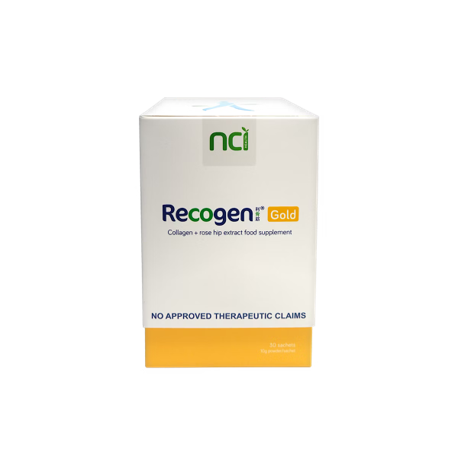
Recogen Gold offers a dual-action formula. It combines the cartilage-regenerating power of Bioactive Collagen Peptides with Rosehip Extract, a natural ingredient known for its anti-inflammatory properties. This synergy helps alleviate the pain and stiffness associated with joint issues, such as osteoarthritis.
Take the First Step Today
This Bone and Joint Awareness Week, let’s make a pact with ourselves to stop ignoring the whispers and aches from our bodies. By nourishing them with the right food, challenging them with movement, and making healthier lifestyle choices, you are building a stronger, more resilient framework for your future.
If you are experiencing persistent or severe bone pain, it is important to consult a healthcare professional for a proper diagnosis. Don't let pain hold you back from living your life to the fullest. Take charge of your bone health today, Kapitbahay! - (MyPharma)
References:
· https://www.mayoclinic.org/healthy-lifestyle/adult-health/in-depth/bone-health/art-20045060
· https://www.medicalnewstoday.com/articles/321835
· https://mypharma.ph/products/recogen-gold
· https://mypharma.ph/products/collagen-hydrolysate-with-calcium-lactate-recogen-30s
· https://my.clevelandclinic.org/health/diseases/13017-osteomalacia
· https://www.nhs.uk/conditions/osteomyelitis/
· https://www.bonehealthandosteoporosis.org/patients/what-is-osteoporosis/
· https://my.clevelandclinic.org/health/diseases/5599-osteoarthritis
· https://www.mayoclinic.org/diseases-conditions/rheumatoid-arthritis/symptoms-causes/syc-20353648
· https://pmc.ncbi.nlm.nih.gov/articles/PMC5380170/